Children and Family Magic
Learn how to prepare and perform magic for children and families with Kayto, Borja Montón, Iván Santacruz, and Xulio Merino. Work on humor, audience participation, and show structure, featuring routines with ropes, silks, sponges, liquids, coins, and cards, plus the Egg Bag and Chinese snowstorm. Each section details its props and requirements.
Children and Family Magic
Learn how to prepare and perform magic for children and families with Kayto, Borja Montón, Iván Santacruz, and Xulio Merino. Work on humor, audience participation, and show structure, featuring routines with ropes, silks, sponges, liquids, coins, and cards, plus the Egg Bag and Chinese snowstorm. Each section details its props and requirements.

20 Lessons
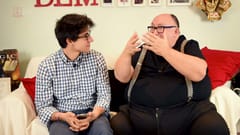
Children's Magic and Clown: Humor and Audience Participation
Magic for Birthdays and Family Celebrations
Openings and Opening Tricks for Family Shows
Musical magic for celebrations: floating table and colored ribbons
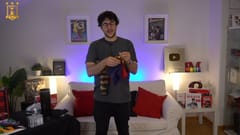
Participación y finales para espectáculos familiares
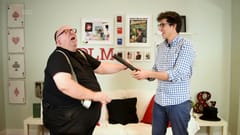
Comedy Wands: Topsy Popsy and Rabbit Transformation
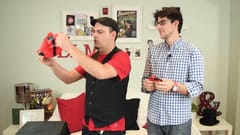
Paper to Hat and Bag
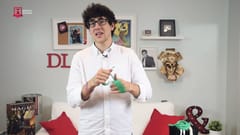
Travelling Knots
Silk color change with a thumb tip
Silk to Egg
Silk to Shoe: A Children's Magic Routine
Hopping Sponge: two-color sponge balls
Children's magic with sponge balls
Billetes y candado: candado de gravedad y pañuelo diablo
Juice Through the Head
Magic Funnel
The Miser's Dream: Coins with an Ice Bucket
Chinese Snow: Preparation and Stage Performance

Interactive Seven-Card Magic
Preparación, estructura y venta de espectáculos de magia
Preparing magic for children and the whole family
This path combines presentation, show organization, and explained routines. Kayto, Borja Montón, Iván Santacruz, and Xulio Merino show ways to build humor and participation without losing the clarity of the effect or taking good care of the assistant. The journey begins with audience rapport, moves on to the structure of a family show, and then develops a specific repertoire. The final lecture expands on preparation and customer service.
Humor, character, and handling the assistant
Kayto works on laughter, body language, repetition, and the roles of the clown and the auguste. Exercises and examples allow you to study how an instruction, an apparent mistake, or a reaction can turn into a comedic situation that builds up to a punchline.
Choosing the assistant and giving instructions take up a significant part: observing their willingness, explaining what is going to happen, giving them time to respond, and acknowledging their contribution. Ages, energy levels, and ways to involve adults as well are compared. The goal is for the participant to enjoy being in the spotlight. The lecture analyzes presentations and repertoire references; it does not technically explain every trick it mentions.
From the first effect to the close of the show
Borja's classes on family celebrations connect the plotline, variety, and logistics. He studies how to introduce a mission, alternate between spoken, musical, and group moments, bring in the first assistant, and finally resolve the premise. Visibility, crowd flow, setup, sound, transport, and pack-down are taken into consideration.
The practical section teaches bottle and glass productions, handling a production pad, the bill tube, and color-changing silks. The colored ribbons routine is developed from constructing the cones to the revelation. The floating table receives setup and movement tips, but requires its own apparatus and specific instructions. Basic movements of the spring raccoon are also shown.
Pass-pass dice, the coloring book, the invisible deck, escapes, and other finales help compare repertoire. Not all of them receive a complete explanation. These classes allow you to select resources for your own personal act; they do not provide a finished show nor do they teach you how to manufacture all the props shown.
Wands, paper, ropes, and silks
The following lessons develop routines with clear effects and opportunities for interaction:
- Magic wands: Kayto explains the sequence with Topsy Popsy and the rabbit transformation, from welcoming the assistant to the punchline. He works on anticipation, repetition, and pacing.
- Paper to hat and bag: Iván Santacruz combines torn and restored paper, choreography, sound effects, and audience participation. He explains the preparation and handling of commercial props, with options for music or the performer's own accompaniment.
- Traveling knots: Borja teaches the journey of three knots between two ropes, their preparation, and full handling. The internal script guides gazes and reactions, with possibilities for a story or music.
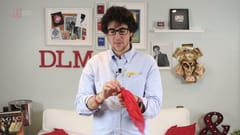
- Color-changing silks: Borja combines the handling of the thumb tip with instructions that the participant tries to follow, leading to a final surprise. Pauses and transitions give continuity to the presentation.
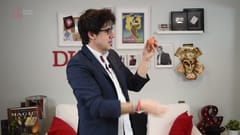
- Egg bag: Borja teaches a transformation, an apparent explanation, and a second kicker ending. He works on transfers, the pacing of questions, and audience interaction. It includes an optional workshop to make the prop; you can also use a commercial one. The routine requires a silk, the appropriate prop, a real egg, a glass, and a jacket with pockets.
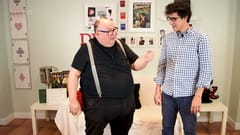
- Silk to shoe: Kayto develops a production, vanish, and final journey, using stage movement and comedic repetition. The assistant's comfort and willingness to cooperate are studied, including lending their shoe.
Two approaches with sponge balls
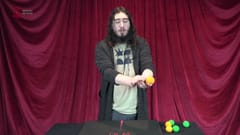
Xulio Merino explains Hopping Sponge: two colors reappear while the audience answers a repeated question, leading up to the final vanish. He works on showings, transfers, and two comedic interpretations of the same handling.
Iván Santacruz proposes another sequence featuring productions, a silk vanish, and comedic reappearances in the magician's mouth. Pantomime, questions, and wardrobe organize the action. These are different routines that allow you to compare how pacing and character change the experience with similar props.
Participatory numbers with apparatus, liquids, and coins
In Bills and padlock, Borja explains two versions and an adaptation using a treasure chest for a children's show. He covers choices, opening attempts, humor, and separating the revelations.
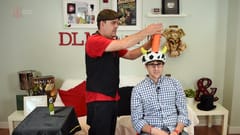
Juice through the head, by Iván, develops an apparent blunder that is resolved with the appearance of a full glass. Prop handling is combined with eye contact, pauses, pantomime, and a farewell thanking the assistant for their participation.
In Magic funnel, Kayto explains the apparatus and the construction of the gags; the demonstration uses an adult acting as the child participant. The work requires communicating actions carefully and adapting contact and conversation.
The miser's dream, by Borja, adds coin manipulation and an ice bucket. The complete sequence ties together productions, sound, eye contact, and participation, with children's and musical variants. Coins require more manual practice than some of the previous routines.
Chinese snowstorm as a stage finale
Borja develops two setups for the Chinese snowstorm, one using a jacket and another structured around a chest. You will learn how to choose and prepare the confetti, work with the napkin and fan, coordinate the transfers, and build the rhythm of the snowstorm using eye contact and music. These variations allow you to adapt the presentation to the venue and family audience. Confetti cannons and coordination with assistants are explained as optional add-ons, not as necessary equipment for the basic routine nor as a full technical installation.
Getting the entire audience involved
The seven-card routine allows every spectator to perform the trick from their seat. Borja explains its principle, compares individual and group results, and reviews errors in instructions, timing, and coordination. For children, adult assistance and the simplification of actions are taken into account. You will need one deck per participant; custom cards are an option you must prepare yourself, not an included file.
Organization and client relations
The final lecture revisits structure, space, and transitions with a broader perspective: home preparation, travel, the show itself, pack-down, and booking. It includes a running storyline with a chest, a comparison of portable equipment, initial client consultations, quote presentations, and follow-up. It stems from family show experiences, but also touches on other formats. Its business examples and fees correspond to the recording context, not current rates or guaranteed results.
Props and preparation
You can study the presentation classes using paper and a repertoire you already know. For the routines, select the corresponding props: soft ropes, silks and a thumb tip, sponges, coins and an ice bucket, cards, or specific apparatus such as wands, paper-to-hat, padlock, liquids, and the funnel. The floating table, pad, raccoon, and other accessories are not included nor are they all necessary for a single show.
The egg bag adds its prop and a real egg; crafting the piece is optional and requires tools and preparation time. For the Chinese snowstorm, prepare suitable confetti, paper, a fan, a glass of water, and the table or chest setup you are going to rehearse. Confetti cannons are an independent add-on.
Some applications presuppose a card force, a bill change, or basic palms. Others explain their mechanics from the start. Rehearse with real props, including angles, preparation, questions, and answers. Not all routines are aimed at the same age group or any given assistant: adapt your choice and demeanor to their comfort level. Music, designs, and books cited are external references or resources; no tracks, templates, or downloads are promised.
Preparing magic for children and the whole family
This path combines presentation, show organization, and explained routines. Kayto, Borja Montón, Iván Santacruz, and Xulio Merino show ways to build humor and participation without losing the clarity of the effect or taking good care of the assistant. The journey begins with audience rapport, moves on to the structure of a family show, and then develops a specific repertoire. The final lecture expands on preparation and customer service.
Humor, character, and handling the assistant
Kayto works on laughter, body language, repetition, and the roles of the clown and the auguste. Exercises and examples allow you to study how an instruction, an apparent mistake, or a reaction can turn into a comedic situation that builds up to a punchline.
Choosing the assistant and giving instructions take up a significant part: observing their willingness, explaining what is going to happen, giving them time to respond, and acknowledging their contribution. Ages, energy levels, and ways to involve adults as well are compared. The goal is for the participant to enjoy being in the spotlight. The lecture analyzes presentations and repertoire references; it does not technically explain every trick it mentions.
From the first effect to the close of the show
Borja's classes on family celebrations connect the plotline, variety, and logistics. He studies how to introduce a mission, alternate between spoken, musical, and group moments, bring in the first assistant, and finally resolve the premise. Visibility, crowd flow, setup, sound, transport, and pack-down are taken into consideration.
The practical section teaches bottle and glass productions, handling a production pad, the bill tube, and color-changing silks. The colored ribbons routine is developed from constructing the cones to the revelation. The floating table receives setup and movement tips, but requires its own apparatus and specific instructions. Basic movements of the spring raccoon are also shown.
Pass-pass dice, the coloring book, the invisible deck, escapes, and other finales help compare repertoire. Not all of them receive a complete explanation. These classes allow you to select resources for your own personal act; they do not provide a finished show nor do they teach you how to manufacture all the props shown.
Wands, paper, ropes, and silks
The following lessons develop routines with clear effects and opportunities for interaction:
- Magic wands: Kayto explains the sequence with Topsy Popsy and the rabbit transformation, from welcoming the assistant to the punchline. He works on anticipation, repetition, and pacing.
- Paper to hat and bag: Iván Santacruz combines torn and restored paper, choreography, sound effects, and audience participation. He explains the preparation and handling of commercial props, with options for music or the performer's own accompaniment.
- Traveling knots: Borja teaches the journey of three knots between two ropes, their preparation, and full handling. The internal script guides gazes and reactions, with possibilities for a story or music.
- Color-changing silks: Borja combines the handling of the thumb tip with instructions that the participant tries to follow, leading to a final surprise. Pauses and transitions give continuity to the presentation.
- Egg bag: Borja teaches a transformation, an apparent explanation, and a second kicker ending. He works on transfers, the pacing of questions, and audience interaction. It includes an optional workshop to make the prop; you can also use a commercial one. The routine requires a silk, the appropriate prop, a real egg, a glass, and a jacket with pockets.
- Silk to shoe: Kayto develops a production, vanish, and final journey, using stage movement and comedic repetition. The assistant's comfort and willingness to cooperate are studied, including lending their shoe.
Two approaches with sponge balls
Xulio Merino explains Hopping Sponge: two colors reappear while the audience answers a repeated question, leading up to the final vanish. He works on showings, transfers, and two comedic interpretations of the same handling.
Iván Santacruz proposes another sequence featuring productions, a silk vanish, and comedic reappearances in the magician's mouth. Pantomime, questions, and wardrobe organize the action. These are different routines that allow you to compare how pacing and character change the experience with similar props.
Participatory numbers with apparatus, liquids, and coins
In Bills and padlock, Borja explains two versions and an adaptation using a treasure chest for a children's show. He covers choices, opening attempts, humor, and separating the revelations.
Juice through the head, by Iván, develops an apparent blunder that is resolved with the appearance of a full glass. Prop handling is combined with eye contact, pauses, pantomime, and a farewell thanking the assistant for their participation.
In Magic funnel, Kayto explains the apparatus and the construction of the gags; the demonstration uses an adult acting as the child participant. The work requires communicating actions carefully and adapting contact and conversation.
The miser's dream, by Borja, adds coin manipulation and an ice bucket. The complete sequence ties together productions, sound, eye contact, and participation, with children's and musical variants. Coins require more manual practice than some of the previous routines.
Chinese snowstorm as a stage finale
Borja develops two setups for the Chinese snowstorm, one using a jacket and another structured around a chest. You will learn how to choose and prepare the confetti, work with the napkin and fan, coordinate the transfers, and build the rhythm of the snowstorm using eye contact and music. These variations allow you to adapt the presentation to the venue and family audience. Confetti cannons and coordination with assistants are explained as optional add-ons, not as necessary equipment for the basic routine nor as a full technical installation.
Getting the entire audience involved
The seven-card routine allows every spectator to perform the trick from their seat. Borja explains its principle, compares individual and group results, and reviews errors in instructions, timing, and coordination. For children, adult assistance and the simplification of actions are taken into account. You will need one deck per participant; custom cards are an option you must prepare yourself, not an included file.
Organization and client relations
The final lecture revisits structure, space, and transitions with a broader perspective: home preparation, travel, the show itself, pack-down, and booking. It includes a running storyline with a chest, a comparison of portable equipment, initial client consultations, quote presentations, and follow-up. It stems from family show experiences, but also touches on other formats. Its business examples and fees correspond to the recording context, not current rates or guaranteed results.
Props and preparation
You can study the presentation classes using paper and a repertoire you already know. For the routines, select the corresponding props: soft ropes, silks and a thumb tip, sponges, coins and an ice bucket, cards, or specific apparatus such as wands, paper-to-hat, padlock, liquids, and the funnel. The floating table, pad, raccoon, and other accessories are not included nor are they all necessary for a single show.
The egg bag adds its prop and a real egg; crafting the piece is optional and requires tools and preparation time. For the Chinese snowstorm, prepare suitable confetti, paper, a fan, a glass of water, and the table or chest setup you are going to rehearse. Confetti cannons are an independent add-on.
Some applications presuppose a card force, a bill change, or basic palms. Others explain their mechanics from the start. Rehearse with real props, including angles, preparation, questions, and answers. Not all routines are aimed at the same age group or any given assistant: adapt your choice and demeanor to their comfort level. Music, designs, and books cited are external references or resources; no tracks, templates, or downloads are promised.