Paper to Hat and Bag
From tissue paper to a hat and a bag
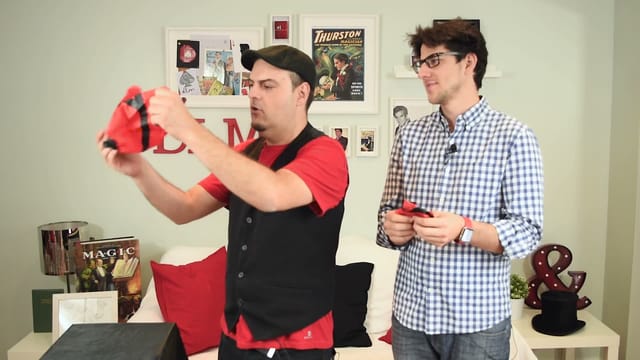
The magician and their helper work with colored tissue papers following a short choreography. Imitation, dancing, and comedic situations set up the final transformation of the papers into a hat and a bag that the participant receives.
Iván Santacruz adapts this classic torn and restored paper effect for children's magic. The lesson shows the presentation and explains its development, paying attention both to the effect and to everything that happens before the reveal.
Choosing the helper and sharing the stage
The choice of a participant willing to collaborate is addressed, while also respecting children who prefer to remain in the audience. The instructor suggests simple gestures to gauge this willingness without forcing them to speak in public.
Once on stage, rehearsing movements allows you to see how the helper responds to instructions. The positioning of the two performers, movements, and symmetry are studied to adapt the act for small spaces or a theater.
The ending puts the spotlight on the participant: the magician stepping away and the applause help present their transformation as the focal point of the finale.
Sounds, repetition, and surprise
The sound sequence incorporates clown and pantomime elements. It explains how to use a small slide whistle to build gags, vary the sounds, and accompany the repetition of gestures.
Options with and without music are compared. In the musical version, the rhythm accompanies the dancing and movement; in venues without sound equipment, the artist can generate the accompaniment themselves. The explanation links these elements to anticipation and surprise, and includes winks to involve adults in a family audience.
Preparation, props, and practice
You need the prop prepared for the effect: tissue papers, a folded paper hat, and bag. A commercial trick is used, and the possibility of developing your own formats is discussed. The lesson explains its setup and handling, without providing a complete manufacturing pattern from scratch.
For the sound portion, a slide whistle operated by the artist is used. Pockets are also needed to organize the props; music is an optional presentation choice. It is advisable to have spare sets on hand, as it is customary to give the hat and bag away as a souvenir.
The mechanics are simple. Rehearsals should focus on coordination, eye contact, transitions, and the pacing of the instructions, maintaining a comfortable and fun interaction with the helper.