Appearance Cage and Introduction to Large Illusions
Preparing a large illusion before taking it to the stage
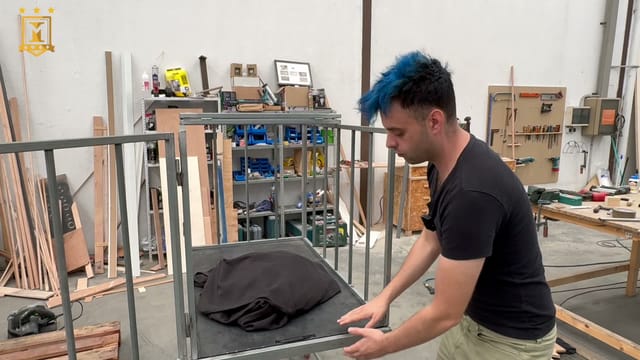
Orbit and Borja Montón present the appearance cage in the Orbit Illusions workshop. The class combines a conversation about the real requirements of large illusions with a close-up analysis of a built apparatus and its performance sequence.
The effect studied features the appearance of a person inside a cage that was seemingly shown empty. The version used by Orbit is analyzed, featuring fire as a scenic element alongside rehearsal footage that accompanies the explanation.
Space, transport, and choosing the apparatus
Before focusing on the cage, the instructors distinguish between the needs of adding one or two illusions to a show versus organizing a large-scale production. Storage, rehearsal space, vehicle, loading and unloading, and setup time are all part of that decision.
It is recommended to get to know and test an illusion before purchasing it, checking that it suits the performers and the venues where you want to work. The choice is based on the show and its conditions, not solely on how appealing an apparatus looks.
The advantages and limitations of transporting dismantled versus assembled pieces are also compared, along with the importance of working with a builder who understands the operational and strength details.
Rehearsing under real conditions
Stage layout alters blocking and choreography. Orbit explains why he rehearses with distances, wardrobe, and conditions similar to the actual performance, recounting an adjustment issue that only appeared when trying on a specific costume inside an illusion.
Topics discussed include gesture size for distant audiences, the integration of lights and music, and the choice to keep apparatuses visible or conceal them until their entrance. The stage measurements cited are examples from their shows, not universal requirements for every illusion.
Anatomy and assembly of the cage
The explanation showcases the dismantled structure, panels, joints, cover, and moving parts. It examines how they fit together and why strength, ease of assembly, and access must be weighed alongside the visual result.
Orbit and Borja analyze size proportions, the adjustments needed to close the assembly correctly, and the space required for the appearing person. Approximate measurements of the demonstrated cage are taken, explaining that they must be adapted to the performer and the specific apparatus.
A cage is not built from scratch, nor are complete blueprints, structural calculations, or downloadable files provided. This is an explanation of mechanics and design details based on an existing model.
Perception, cover, and coordination
Visual continuity, audience distance, lighting conditions, and the role of the fabric in the presentation are examined. The class contrasts viewing the apparatus from the side with appreciating the effect with the same clarity as from the front.
Working with the appearing person takes up a significant part of the explanation. Orbit distinguishes between moments of cover and revelation, demonstrates how he coordinates a cue with his assistant, and explains why rushing the action can ruin the effect. The goal is a clear, rehearsed sequence rather than simply doing it as fast as possible.
The final figure is also analyzed: how to occupy the visible space and complete the appearance with a posture that reads clearly to the audience.
The fire version
The recording showcases and discusses the fire equipment used in this setup, its relation to the presentation, and the assistance of another person in removing the torch. The instructors warn about the proximity of backdrops, the fabric used, and the need to mind the details of the overall setup.
These comments pertain to a specific version. The class does not constitute complete training in fire handling, nor does it certify that an apparatus built following the explanation will be safe.
Materials and experience required
You can follow the analysis without owning a large illusion. To bring this version to the stage, you need an appropriate and inspected cage, its fabric and accessories, a person to participate in the appearance, and the necessary crew support for setup. The fire version also requires specific equipment and additional crew coordination.
It is helpful to have performance experience, rehearsal space, and time to test movements, wardrobe, and viewing conditions. Advanced card magic technique is not required, but purchasing the apparatus does not replace these rehearsals.
Approximate duration: 33 minutes. Appearance cabins, Mini Kube, Flying Box, and historical variants involving animals or transformations are cited to compare possibilities; they are not taught as additional routines. Assistant selection and general maintenance are mentioned without being developed as comprehensive training.