The Origins of Illusionism
A historical look at illusionism
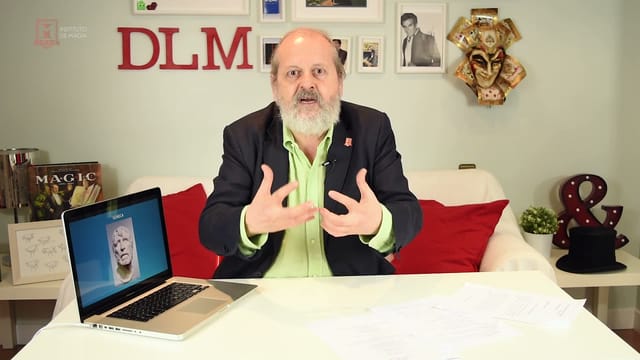
Ramón Mayrata takes us on a journey through the origins of stage magic and the various activities that shared the name of magic for centuries. The presentation distinguishes illusionism from esoteric practices, omens, and ritual uses, and examines how it gradually acquired its own identity as an art form.
Illusion shows are connected with optical and mechanical knowledge, automata, and image technologies. Examples include Heron of Alexandria, Pepper's Ghost, Georges Méliès, and modern forms of virtual reality.
Effects, desires, and spectators
The masterclass looks at ancient tales, such as that of the magician Dedi in the Westcar Papyrus, and compares them with effects that are still present in the repertoire: productions, transformations, levitations, escapes, restorations, and divinations.
Mayrata interprets this continuity through the desires and concerns that audiences recognize in them. Examples featuring Houdini, Fred Kaps, and other artists help us reflect on the difference between watching a method and enjoying an impossible fiction.
From antiquity to artistic recognition
The presentation covers the cups and balls in antiquity, the reception of illusionism in the Middle Ages, its relationship with deception and superstition, and the contributions of the Muslim world and Al-Andalus. It also discusses written accounts and the influence of rational thought on how sleight of hand is perceived.
This is an introductory lecture on history and theory, supported by images and examples. No magic props or prior sleight of hand skill are needed to follow along.