Classic Force and Timing Forces: Rhythm, Attitude, and Outs
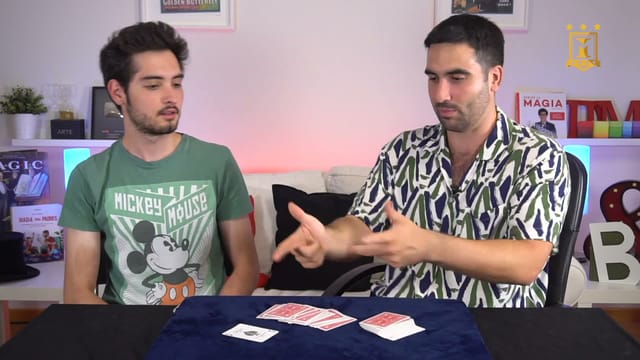
Hugo Maximiliano dives deep into the classic force and a family of timing forces, covering the mechanics, spectator management, and how to gracefully handle a different selection than planned. The session blends explanations, live demos with a spectator, and a full routine using a signed card. The main goal is to learn how to present the choice naturally, understand the margins for each handling, and practice without relying on a single hit to make the trick work.
The Classic Force
The opening section breaks down the attitude when offering a card. Hugo suggests treating the selection as a casual moment in the routine rather than making it a big, tense deal that screams magic. He ties this back to the premise of the effect and points out when it actually makes sense to amp up the conditions of the choice.
The technical breakdown covers top and bottom cards, setting it up with a shuffle or cut, and the timing gap between that setup and the actual choice. He covers holding a break, a smooth spread, and syncing up with the spectator's gesture. He also drops some subtle tips on eye contact and flow so the move doesn't look overly rehearsed or tracked to a single spot.
Hugo calls out common telltale mistakes, like telegraphing the position too early or stopping the movement unnaturally. It's not just about finger mechanics—you've got to read the participant, nail the timing, and keep your attitude totally chill to sell the illusion of a free choice.
What to Do When It Misses
He openly admits that the classic force isn't a 100% guarantee. He walks through how to transition smoothly to a different card, pivot to another trick in your repertoire, switch to an out, or use a different forcing method. He also discusses when it's smarter to switch spectators or avoid burning the same person twice if they're actively trying to catch you.
He shows a variation with two spectators—one free choice and one forced—playing off where their attention is directed. For practice, Hugo recommends trying the classic even in tricks that don't need a specific card. This lets you drill the timing of the choice without blowing the climax of the effect. Putting in the reps builds confidence and helps you adapt to different crowd reactions.
Timing Forces with Packets
The next segment tackles forcing a card by having the spectator stop you as you deal small packets onto the table. The explanation covers how to phrase the instructions, the pacing of the action, your tone, and reading the spectator's vibe. He analyzes how the way you ask them to stop changes their reaction and how to keep communication clear and natural.
Aside from the core handling, Hugo shows how to handle early or late stops, or situations where the packet is still in your hand. The key is spotting these moments and improvising smoothly within the flow of the routine. As he points out, timing isn't an exact science; these examples don't mean the audience will always react the same way.
Dealing Cards One by One
Another variation uses a single-card deal—either by the magician or the spectator—known as the seven-timing force. He compares the phrasing and pacing needed for both approaches. During a demo, an overly pushy instruction gets a totally different reaction than intended; Hugo and his assistant break down what happened and tweak the delivery.
The class covers outs for stops that land too close to or far from the target. Double lifts, top changes, controls, and other standard sleights are used as fallback options. He shows applications for these handlings, though this isn't a masterclass on every single technique mentioned. He also draws a line between forcing a specific card versus using the same principle to make a known card pop up at a specific point in the deal. Some outs salvage the moment by shifting the effect rather than hitting the exact predicted outcome.
Routine with a Signed Card
The opening routine features a card marked on the back while its identity remains a mystery to the spectator. After some shuffles and cuts, a selection made from a face-up spread matches the signed card. The breakdown covers setting up the info, letting the spectator give it a shuffle, and using a packet timing force to kick off the sequence.
The routine continues with a spread on the table and a finger tracing across to nail the selection. Hugo breaks down the rhythm, the layout of the spread, patter, and how to adjust on the fly if they stop you at the wrong time. If the stop misses the target card, he explains an out using elimination and a magician's choice. The finale focuses on building the suspense and revealing the initials. The presentation uses intuition as the narrative thread for the effect.
Materials and Setup
You'll need a standard deck of cards and a table with enough room to deal packets and spread cards—a close-up mat makes this much easier. For the signed card routine, grab a sharpie and a card you can mark. The double-selection variation requires two participants, while the basic handlings can be studied with one participant. No gaffed decks, trick cards, or memorized stacks required.
You should be comfortable handling shuffles, cuts, spreads, and breaks. Knowing a control, double lift, or having a backup trick ready in your repertoire will help you pull off the outs. You don't need to master every single sleight mentioned to start practicing the main force. Hugo suggests jamming with real people to study their reactions, alongside working on the mechanics by yourself.