Card Magic Masterclass
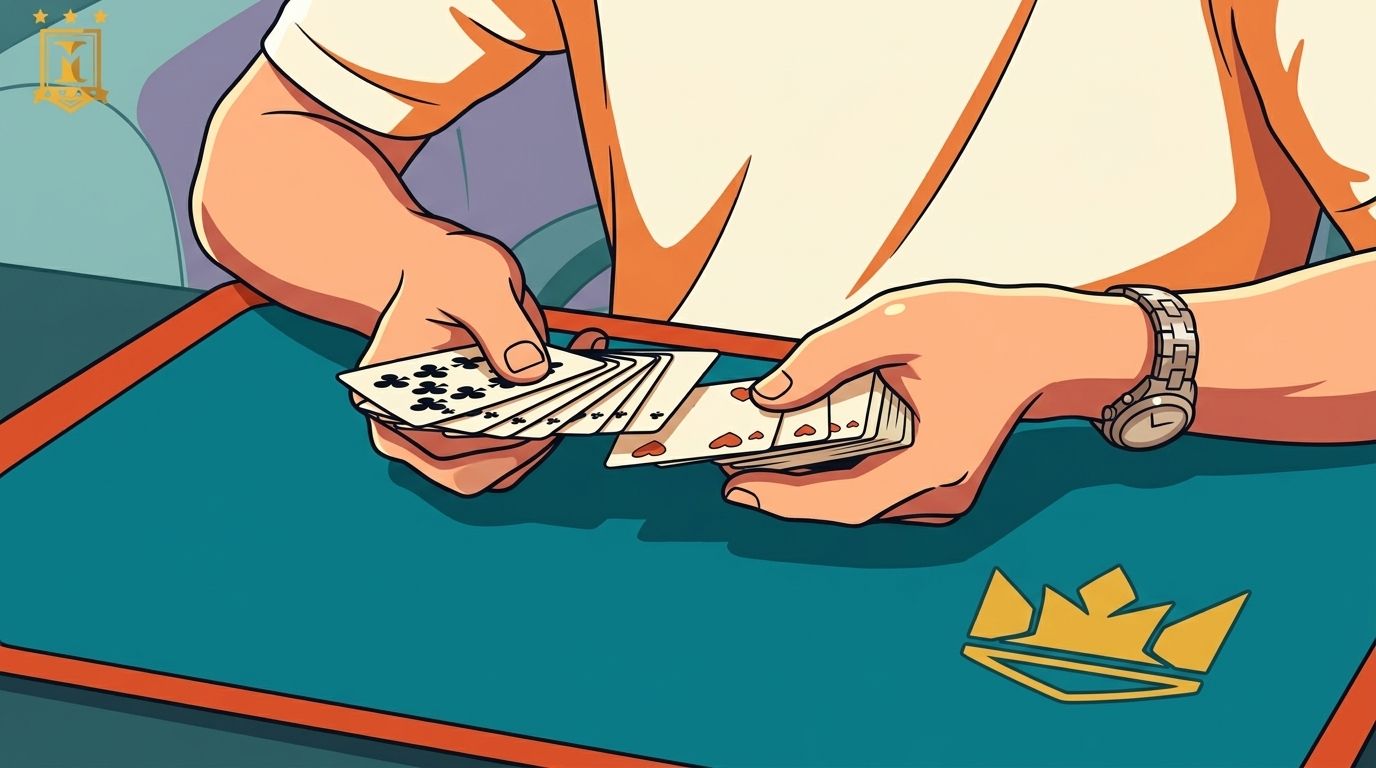
Master sleight of hand, routine construction, and the performance of card magic: cuts, controls, counts, memorized decks, palms, forces, and gimmicked cards. Includes complete routines, naturalness exercises, prop crafting, and an introduction to filming and projecting close-up magic.
Card Magic Masterclass
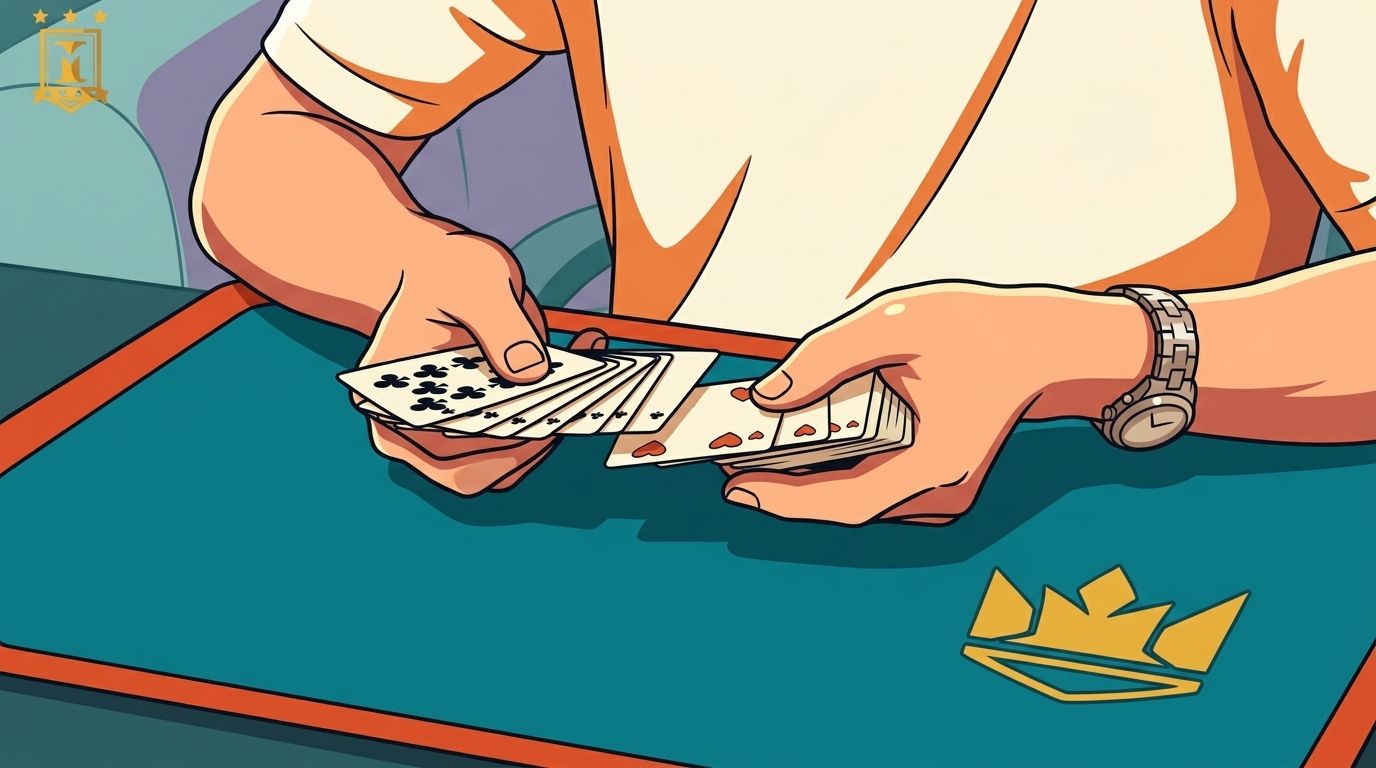
Master sleight of hand, routine construction, and the performance of card magic: cuts, controls, counts, memorized decks, palms, forces, and gimmicked cards. Includes complete routines, naturalness exercises, prop crafting, and an introduction to filming and projecting close-up magic.


48 Lessons

False Cuts: Up the Ladder, Tamariz, Erdnase, and the Hop
Card Controls: Diagonal Insertion, Fan, and Glimpse
Card Breaks: Breaks, Steps, and the Bottom Buckle
False Shuffles: Erdnase, Diaconis, Push-Through, and Zarrow

Crafting Tricks and Routines: Theory and Triple Sandwich
Smart Break: Thumb Counts, Pinky Counts, and the Buckle

Card Push-Offs and Additions: Braue and ATFUS
Counts and Displays: Jordan, Biddle, Hamman, and Olram
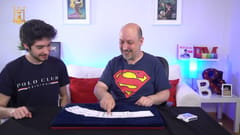
Memorized Deck: Choosing the Stack and Card-Number Associations

Half-Stack Memorized Deck: Weighed Cards and The Liar
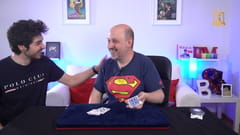
Full Memorized Deck: Location by Estimation
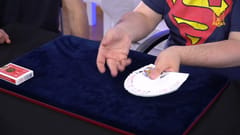
Stacked Deck: Revelations and Card at Number

Short-Corner Card: Controls, Forces and Triumph
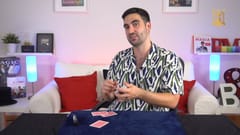
Card Changes: Top Change, Kaps and Variations
Classic Force and Timing Forces: Rhythm, Attitude, and Outs

Double Lift: Technique, Variants, and Ambitious Card
Card Palm: Naturalness and Card to Pocket
Top Palm while cutting and Never Six with a chosen card
One-Hand Palm and Chosen Card Travel

Magical Atmosphere: Attention, Cover, and Necessary Actions
Prologue and Epilogue: Presenting a Poker Routine
Implicit Conviction and Aces Assembly: The Midwife Theory
Smart Sleights: Double Lifts, Shuffles, and Changes
Spatial Clarity: Follow the Leader and Cups and Balls Opening
The Spectator's Memory: Construction and Recollection of the Effect
Actions in Transit: Structure, Attention, and Joker Sandwich
Single and Multiple Debex: Technique and Matching Routine
Classic Pass and Herrmann Pass: Technique and Card at Any Number
Table Lapping: Cover and Card Transformations
Aces through the table and lap management
Svengali Deck: forces, cross divination and ambitious card
Signed Torn and Restored Card: Torn Handling
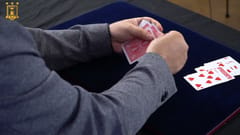
Second Deal: Strike, Push-off, and Diamond Cut Diamond

Glimpses and Peeks: Techniques and Card Applications
Breathing and Relaxation Applied to Dealing
Conditioned Naturalness and Pivot Palm
Visible Actions in Card Magic and Learning Through Mistakes

Double-Faced and Double-Backer Cards: Prediction and Anniversary Waltz

Interactive Seven-Card Magic
McDonald's Aces: Ace Assembly with Double-Faced Cards
Rising Card: Two Versions with Elastics

Rising Card: Manual Methods and the Devano Deck

Haunted Deck and Rising Card with invisible thread

Flap Cards: Construction with Elastic Thread and Applications

Crafting Double-Backers and Magnetic Gimmicks
Total Coincidence by Juan Tamariz
Three Card Monte, special cards and gaffed decks
Recording, Streaming, and Projecting Close-Up Magic
Technique, repertoire, and effect construction
This masterclass brings together 48 lessons and 49 videos. It combines sleight-of-hand explanations and complete routines with performance analysis, exercises, and demonstrations. The sequence alternates practice and theory: it is not a rigid staircase of difficulty, nor does it assume every example is taught from scratch.
Learning journey
The start covers cuts and false shuffles, controls, breaks, push-offs, additions, and packet counts. Handling and effect construction are tied together using examples like the triple sandwich. Next comes the memorized deck: choosing a stack, learning half-stack and full-deck memorization, estimation, divinations, and card-at-number applications.
The journey continues with short-corner cards, card switches, forces, double lifts, and palms. The Ambitious Card, Card to Pocket, and Never Six allow you to study how to integrate technique, audience interaction, and patter.
The core section develops the magical atmosphere, prologue and epilogue, implicit conviction, spatial clarity, and audience memory. It includes applications such as a poker routine, an Aces assembly, and Following the Leader. Transit actions, the debex, passes, and lapping expand the work on attention and cover, featuring effects like Aces Through the Table.
Next up are the Svengali deck and the Torn and Restored card effect Torn, followed by second deals and peeks. Willy Monroe's work connects breathing, relaxation, the pivot palm, and naturalness: you study how to practice moves and learn from mistakes, beyond just executing a sleight.
The final stretch incorporates double-facers and double-backers, Anniversary Waltz, interactive seven-card magic, McDonald's Aces, rising cards, and the Haunted Deck. You will also learn how to build flaps and custom props using cards and magnets. Total Coincidence and Three Card Monte round out the explained repertoire. The final lesson covers recording, lighting, streaming, and projecting close-up magic, with an introduction to OBS and QLab.
Materials and preparation
You will need a deck of cards, a table, and a close-up pad. You should already be comfortable with cuts, shuffles, spreads, and breaks; several lessons require intermediate or advanced practice. The memorized deck is studied progressively, but its applications require knowing the respective stack.
Depending on the routine, you will need two decks, duplicates, specialty cards, a Svengali deck, a marker, card boxes, pockets, or a table and chair suitable for lapping. The construction section uses spare cards, adhesives, rubber bands, thread, magnets, and cutting tools; other applications require loops, an invisible thread reel, or a glass. The cups and balls example requires its own props. Check each lesson guide before preparing a practice session.
To record yourself, you can start with a smartphone, a stand, and basic lighting. Streaming or projection may require a microphone, computer, capture card, cables, and a display. You do not need to buy every prop shown in the masterclass to study it.
What is explained and what is shown
The theory classes use tricks to illustrate principles without teaching every referenced routine in full. The specialty card section combines an explained Three Card Monte with demonstrations and product reviews. Some workshops show tweaks and prototypes that still need refinement. The memory lesson includes a second companion video on Sharing Secrets. The books, products, external notes, and equipment mentioned are not included; nor is there an exhaustive setup guide for every audiovisual software.
Technique, repertoire, and effect construction
This masterclass brings together 48 lessons and 49 videos. It combines sleight-of-hand explanations and complete routines with performance analysis, exercises, and demonstrations. The sequence alternates practice and theory: it is not a rigid staircase of difficulty, nor does it assume every example is taught from scratch.
Learning journey
The start covers cuts and false shuffles, controls, breaks, push-offs, additions, and packet counts. Handling and effect construction are tied together using examples like the triple sandwich. Next comes the memorized deck: choosing a stack, learning half-stack and full-deck memorization, estimation, divinations, and card-at-number applications.
The journey continues with short-corner cards, card switches, forces, double lifts, and palms. The Ambitious Card, Card to Pocket, and Never Six allow you to study how to integrate technique, audience interaction, and patter.
The core section develops the magical atmosphere, prologue and epilogue, implicit conviction, spatial clarity, and audience memory. It includes applications such as a poker routine, an Aces assembly, and Following the Leader. Transit actions, the debex, passes, and lapping expand the work on attention and cover, featuring effects like Aces Through the Table.
Next up are the Svengali deck and the Torn and Restored card effect Torn, followed by second deals and peeks. Willy Monroe's work connects breathing, relaxation, the pivot palm, and naturalness: you study how to practice moves and learn from mistakes, beyond just executing a sleight.
The final stretch incorporates double-facers and double-backers, Anniversary Waltz, interactive seven-card magic, McDonald's Aces, rising cards, and the Haunted Deck. You will also learn how to build flaps and custom props using cards and magnets. Total Coincidence and Three Card Monte round out the explained repertoire. The final lesson covers recording, lighting, streaming, and projecting close-up magic, with an introduction to OBS and QLab.
Materials and preparation
You will need a deck of cards, a table, and a close-up pad. You should already be comfortable with cuts, shuffles, spreads, and breaks; several lessons require intermediate or advanced practice. The memorized deck is studied progressively, but its applications require knowing the respective stack.
Depending on the routine, you will need two decks, duplicates, specialty cards, a Svengali deck, a marker, card boxes, pockets, or a table and chair suitable for lapping. The construction section uses spare cards, adhesives, rubber bands, thread, magnets, and cutting tools; other applications require loops, an invisible thread reel, or a glass. The cups and balls example requires its own props. Check each lesson guide before preparing a practice session.
To record yourself, you can start with a smartphone, a stand, and basic lighting. Streaming or projection may require a microphone, computer, capture card, cables, and a display. You do not need to buy every prop shown in the masterclass to study it.
What is explained and what is shown
The theory classes use tricks to illustrate principles without teaching every referenced routine in full. The specialty card section combines an explained Three Card Monte with demonstrations and product reviews. Some workshops show tweaks and prototypes that still need refinement. The memory lesson includes a second companion video on Sharing Secrets. The books, products, external notes, and equipment mentioned are not included; nor is there an exhaustive setup guide for every audiovisual software.